Lafufu vs Labubu: How to Spot a Fake, Safety Risks, and Prices
 Muhammad Bilal
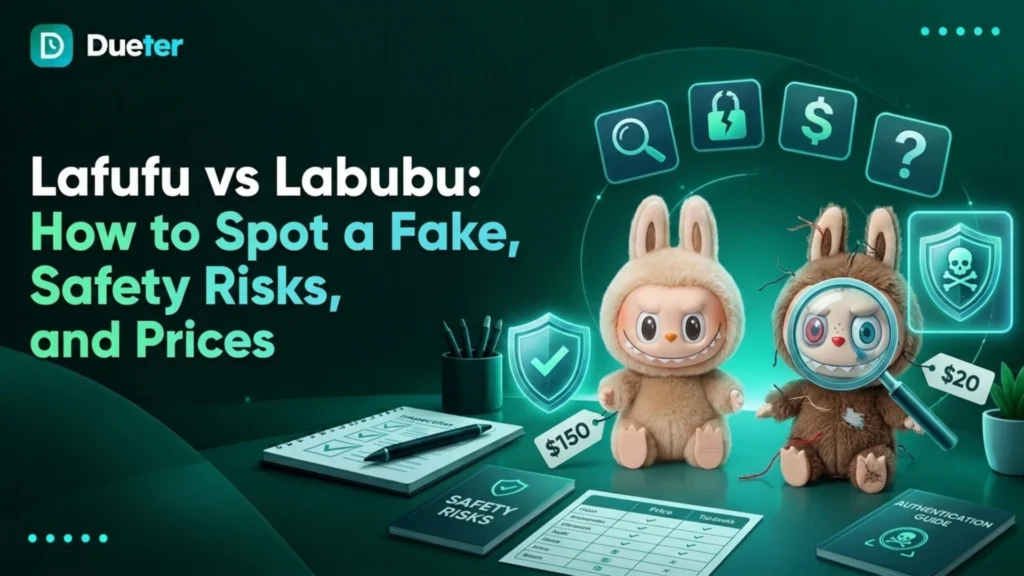
A parent opens a birthday gift bag and pulls out a fuzzy monster with a mischievous grin. The child looks closely and says it seems wrong, with odd teeth and a shiny box. That moment explains why searches for lafufu vs labubu keep climbing among collectors, parents, and resellers.
Labubu grew into a global collectible through limited drops, celebrity sightings, and viral unboxing clips on social apps.
This guide explains what separates a real Labubu from a Lafufu copy, from teeth to QR codes. It also covers safety risks, price warning signs, and the safest places to buy authentic figures.
Quick Answer: What Is the Difference Between Lafufu and Labubu?
Labubu is the official collectible monster sold by Pop Mart, while Lafufu is a nickname for counterfeit copies. Real figures usually show nine teeth, matching QR codes, and quality matte packaging. Fakes often show wrong teeth, cheap materials, and prices far below official retail listings.
Lafufu vs Labubu at a Glance
The table below summarises the most common differences that buyers can check within a few minutes.
| Check | Authentic Labubu | Lafufu copy |
|---|---|---|
| Teeth | Nine molded teeth | Wrong count or uneven shape |
| Box finish | Matte, muted colours | Glossy or neon shades |
| QR code | Links to Pop Mart | Broken or suspicious link |
| UV foot stamp | Present on newer editions | Missing or generic |
| Price | Near official retail | Far below retail |
| Build quality | Even seams and colours | Loose stitching and odd colours |
Most fakes fail at least two of these checks, so buyers should test several markers together.
What Is Labubu?
Labubu is a small elf like monster character created by Hong Kong born artist Kasing Lung. The character first appeared in his illustrated book series called The Monsters, published from 2015 onward.
Chinese toy company Pop Mart partnered with Kasing Lung in 2019 to produce Labubu figures. The partnership turned the character into collectible vinyl figures and soft plush pendants. Pop Mart sells many versions through blind boxes, where buyers do not know which design sits inside.
Why Labubu Became So Popular
Limited releases, surprise blind boxes, and rare secret editions created strong demand among collectors worldwide. Celebrity sightings and constant social media unboxing videos pushed that demand even higher during 2024 and 2025.
Scarcity also drove resale prices upward, with rare secret editions reportedly listing for thousands of dollars. That gap between retail and resale pricing gave counterfeiters a strong reason to copy the design.
What Is Lafufu?
Lafufu is the playful nickname collectors use for fake or counterfeit Labubu figures. The name mimics Labubu while signalling that the product does not come from Pop Mart.
Some Lafufu copies look close to the real figure, while others show obvious flaws in the face. A small group of buyers even collects Lafufu figures as a joke, enjoying their strange expressions.
In simple words, Labubu is the real Pop Mart toy, and Lafufu is any copy.
How to Spot a Fake Labubu
Checking one marker rarely proves anything, because skilled counterfeiters copy some details closely. The safest method combines several checks before deciding whether a figure is genuine.
Count the Teeth
Authentic Labubu figures usually show nine teeth in their wide, toothy smile. Many Lafufu copies show more teeth, fewer teeth, or teeth with uneven sizes and spacing.
The teeth on real figures look evenly molded and sit neatly inside the mouth line. Fakes often show rough edges, paint bleeding, or teeth that look glued on unevenly.
Check the Face and Ears
Real figures usually show symmetrical ears and consistent colouring across the face and body. Counterfeits often have lopsided ears, mismatched eye shapes, or skin tones that look slightly off.
Compare the figure against official product photos from the Pop Mart website or app. Small differences in eye spacing or ear angle often reveal a copy within seconds.
Scan the QR Codes
Authentic boxes include a QR code that links to an official Pop Mart page. Reports also advise scanning the code on the fabric tag and confirming both codes match.
A code that loads slowly, opens a strange website, or shows a mismatch suggests a counterfeit. Some reports also warn that a code already scanned months earlier may signal a reused box.
Look for the UV Stamp
Newer Labubu editions carry a small authentication stamp on the bottom of the foot. This stamp appears only under ultraviolet light, so buyers need a small UV torch to check it.
Counterfeits often skip the stamp entirely or use a generic mark that looks blurry under light. A cheap UV keychain light helps collectors check figures at markets and meetups quickly.
Inspect the Packaging
Genuine boxes use muted, matte colours with the official Pop Mart logo printed clearly. Fakes often use bright neon shades, glossy finishes, or slightly wrong brand fonts.
Authentic boxes also include a full product information label, not cramped text squeezed into one corner. A holographic sticker with a scratch off code may also appear on some genuine boxes.
Lafufu vs Labubu Packaging Comparison
Packaging often reveals a copy before the buyer even opens the box. The table below shows the most common packaging differences reported by collectors and brand protection firms.
| Packaging feature | Authentic Labubu | Lafufu copy |
|---|---|---|
| Box colour | Muted, matte tones | Bright or glossy |
| Logo | Clear Pop Mart branding | Missing or misspelled |
| Product label | Full information panel | Cramped or missing text |
| Inner bag | Tear away or drawstring bag | Plain plastic bag |
| Verification card | Matching card included | Missing or mismatched |
Packaging alone cannot prove authenticity, but poor packaging almost always signals a fake.
Are Lafufu Dolls Safe?
Lafufu dolls can pose safety risks, especially for young children who put toys in their mouths. Counterfeit makers often skip safety testing, so small parts may break off easily.
In July 2025, the United States Consumer Product Safety Commission warned about counterfeit Labubu dolls breaking apart. The agency said loose pieces from these fakes could create choking hazards for small children.
Do not give an unverified Labubu figure to a toddler or young child without inspecting it closely. Check seams, eyes, and small attachments, and remove any figure that shows loose parts.
Material and Chemical Concerns
Brand protection firms warn that fakes may use cheaper materials that never passed safety checks. Without testing, buyers cannot know whether paints or plastics meet children’s toy standards.
Parents who suspect a fake should keep it away from young children until they confirm its source. Adult collectors can still display Lafufu figures safely on shelves away from small hands.
Lafufu vs Labubu Price Differences
Price gives a clear warning sign when comparing lafufu vs labubu listings online. Reports from 2025 listed a standard Labubu at $27.99 on Pop Mart’s own website before tax.
| Item | Typical price signal |
|---|---|
| Standard Labubu at Pop Mart | Around $27.99 in 2025 reports |
| Rare or secret editions on resale sites | Hundreds or thousands of dollars |
| Lafufu copies | Far below official retail |
Any listing far below official retail deserves extra scrutiny before any payment leaves the account.
Prices can change over time, so buyers should check the current listing on the official Pop Mart store. A price that looks too good usually means the figure did not come from Pop Mart.
Why Some People Buy Lafufu on Purpose
A few buyers knowingly choose Lafufu figures because they cost less and avoid long drop queues. Others collect them as novelty items, enjoying the odd faces and strange colour choices.
Buying a knock off for personal display may not harm the buyer directly, but risks remain. Counterfeits can still pose safety hazards, and they pull money away from the original artist.
Where to Buy Authentic Labubu
Official channels remain the safest way to buy a genuine Labubu figure at retail prices. Pop Mart sells through physical stores, kiosks, its website, its app, and official live streams.
The Pop Mart app also runs weekly drop events, which give buyers a fair chance at new releases. Those drops sell out quickly, so collectors often set reminders before each release window.
Buying From Resale Sites
Resale marketplaces carry genuine figures, but verifying authenticity there becomes much harder. Scams and counterfeit listings appear often, especially for rare or secret editions.
Buyers using resale sites should request clear photos of the teeth, tags, foot stamp, and box. They should also choose platforms that offer buyer protection or authentication services.
Shoppers checking unfamiliar websites can use the same habits covered in our adstotally com review. Checking ownership, reviews, and payment safety helps avoid scams in both toys and online services.
How to Verify a Labubu Step by Step
A simple routine helps collectors check any figure in a few minutes before paying. The five steps below combine the most reliable authentication markers into one process.
Step 1: Check the Price
Compare the asking price against the current price on the official Pop Mart store. Treat any listing far below retail as suspicious before checking anything else.
Step 2: Inspect the Box
Look for matte colours, clear Pop Mart branding, and a full product information label. Check for the inner bag and the matching verification card inside the box.
Step 3: Scan Both QR Codes
Scan the QR code on the box and the code on the fabric tag with a phone camera. Confirm that both codes open an official Pop Mart page and match each other.
Step 4: Count the Teeth
Count the teeth in the smile and check that they look even and neatly molded. Compare the face against official photos to spot uneven ears or odd eye shapes.
Step 5: Use a UV Light
Shine a small UV torch on the bottom of the foot on newer editions. Look for a clear authentication stamp instead of a missing or blurry mark.
Price: near official retail = pass
Box: matte, clear logo = pass
QR codes: both open Pop Mart = pass
Teeth: nine, even = pass
UV stamp: visible = likely authentic
A figure that passes every step stands a strong chance of being genuine Pop Mart stock.
Real World Example: Spotting a Fake at a Market
A collector visits a weekend market and finds a Labubu priced at roughly half the official retail price. The seller claims the figure arrived from an overseas warehouse with spare stock.
The collector checks the box first and notices a glossy finish with slightly blurred printing. She then counts eleven teeth and finds a QR code that opens an unrelated shopping website.
She walks away without buying, which saves money and avoids a possible safety hazard for her niece. Two quick checks gave her enough evidence to decide within a single minute.
What to Do If You Bought a Fake Labubu
Discovering a fake after purchase feels frustrating, but buyers still have several practical options. Acting quickly gives the best chance of a refund or a successful payment dispute.
Contact the Seller First
Message the seller with clear photos showing the teeth, tags, packaging, and failed QR code scan. Many marketplace sellers offer refunds quickly to avoid negative reviews or account penalties.
Use Platform Protection
Open a dispute through the marketplace if the seller refuses a refund within a reasonable time. Most major platforms review counterfeit claims and often side with buyers who provide clear evidence.
Contact the Payment Provider
Card issuers and payment services usually offer chargeback options for counterfeit goods or misdescribed items. Keep screenshots of the listing, messages, and photos as evidence for the claim.
Keep Unsafe Copies Away From Children
A fake that shows loose parts or strong chemical smells should leave the house entirely. Safety matters more than recovering a small purchase price, especially around toddlers and pets.
Lafufu vs Labubu for Collectors and Parents
Collectors and parents care about different risks, so each group should focus on different checks. The table below shows the main priority for each type of buyer.
| Buyer type | Main concern | Most useful check |
|---|---|---|
| Serious collector | Resale value | UV stamp and matching QR codes |
| Casual fan | Fair price | Price against official retail |
| Parent | Child safety | Seams, small parts, and materials |
| Gift buyer | Avoiding scams | Buying from official channels |
Matching the check to the buyer’s main concern saves time and catches the most relevant problems.
Tips for Avoiding Lafufu Fakes
These habits help collectors and parents avoid counterfeit figures when buying online or in person:
- Buy from Pop Mart stores, the official website, or the official app whenever new figures become available.
- Carry a small UV torch to check foot stamps on newer editions before paying any seller.
- Ask resale sellers for close photos of teeth, tags, and packaging before agreeing to any deal.
- Compare every listing price against official retail, and treat steep discounts as a strong warning sign.
- Choose marketplaces with buyer protection so payments can return if the figure turns out fake.
Common Mistakes When Buying Labubu
Many buyers repeat the same errors when they shop for Labubu figures outside official stores. The mistakes below cause most fake purchases and disappointed collectors every single month.
1. Trusting Photos Without Close Details
Sellers often post stock photos copied from official listings instead of photos of the real item. Always request fresh photos that show the teeth, tags, and foot from several angles.
2. Checking Only One Marker
Some fakes copy the box well but fail on teeth or QR codes inside. Checking several markers together gives a far more reliable answer than any single test.
3. Ignoring Child Safety
Parents sometimes treat Labubu as a children’s toy without checking its build quality first. Counterfeits with loose parts can create choking hazards for toddlers and young children.
4. Chasing Rare Editions From Unknown Sellers
Rare secret editions attract the most scams because buyers expect high prices and rush decisions. Verify sellers carefully and use protected payments before paying large sums for any figure.
5. Skipping the QR Code Scan
Many buyers never scan the code because the box looks convincing at first glance. Scanning takes seconds and often reveals a fake through broken or unrelated links.
Labubu Authentication Checklist
Run through this checklist before buying any Labubu figure outside official Pop Mart channels:
- Compare the listing price against the current official Pop Mart retail price for that series.
- Confirm the box uses matte colours, clear branding, and a full product information label.
- Scan both QR codes and confirm they open official Pop Mart pages that match each other.
- Count the teeth and compare the face, ears, and colours against official product photos.
- Check the foot under UV light on newer editions for a clear authentication stamp.
- Inspect seams and small parts closely before giving any figure to a young child.
Frequently Asked Questions
What does lafufu vs labubu mean?
The phrase lafufu vs labubu compares counterfeit copies with authentic Pop Mart Labubu figures. Lafufu is a nickname for fakes, while Labubu refers to the official licensed collectible.
How many teeth does a real Labubu have?
A real Labubu usually shows nine teeth in its wide smile, according to multiple authentication guides. Copies often show the wrong number or teeth with uneven shapes and spacing.
Are Lafufu dolls dangerous?
Lafufu dolls can be dangerous for young children because some copies break apart easily. United States safety regulators warned in July 2025 about choking hazards from counterfeit figures.
How much does an authentic Labubu cost?
Reports from 2025 listed a standard Labubu at $27.99 on the official Pop Mart website. Rare and secret editions often sell for much higher prices on resale marketplaces.
Where can I buy a real Labubu?
Pop Mart stores, kiosks, the official website, the Pop Mart app, and official live streams sell authentic figures. Resale sites carry genuine items too, but verification becomes much harder there.
Does every Labubu have a UV stamp?
Newer Labubu editions carry a UV authentication stamp on the bottom of the foot. Older releases may lack this stamp, so buyers should combine several authentication checks together.
Who created Labubu?
Hong Kong born artist Kasing Lung created Labubu for his illustrated book series called The Monsters. Pop Mart partnered with him in 2019 to produce the collectible figures.
Why do people call fake Labubu dolls Lafufu?
Collectors use the name Lafufu as a playful twist on Labubu to label counterfeit copies. The nickname spread quickly through social media posts and unboxing videos online.
Can a QR code prove a Labubu is real?
A QR code helps, but it cannot prove authenticity alone because counterfeiters sometimes copy codes. Buyers should match box and tag codes and check other markers together.
Is it legal to buy a Lafufu?
Laws on buying counterfeit goods vary by country, while selling them usually breaks trademark rules. Buyers should check local consumer laws and avoid giving unsafe copies to children.
Key Takeaways
- The lafufu vs labubu difference separates counterfeit copies from authentic Pop Mart collectible figures.
- Kasing Lung created Labubu, and Pop Mart began producing the figures through a 2019 partnership.
- Authentic figures usually show nine evenly molded teeth and symmetrical ears with consistent colouring.
- Genuine boxes use matte colours, clear Pop Mart branding, and a full product information label.
- QR codes on the box and tag should open official Pop Mart pages and match each other.
- Newer editions carry a UV authentication stamp on the foot that appears only under blacklight.
- Prices far below official retail usually signal a counterfeit, especially on unfamiliar websites.
- Safety regulators warned in 2025 that some fakes break apart and create choking hazards.
- Combining several checks gives buyers a far more reliable answer than any single marker.
Conclusion
The lafufu vs labubu question matters for both collectors and parents, because fakes can disappoint and endanger children. A quick check of price, packaging, teeth, codes, and stamps usually reveals the truth.
Buy from official channels whenever possible, and verify every resale listing with several markers before paying. Careful checks protect money, support the original artist, and keep young children safer.
Explore more product comparisons, safety guides, and buying advice on Dueter today.